Worth repeating
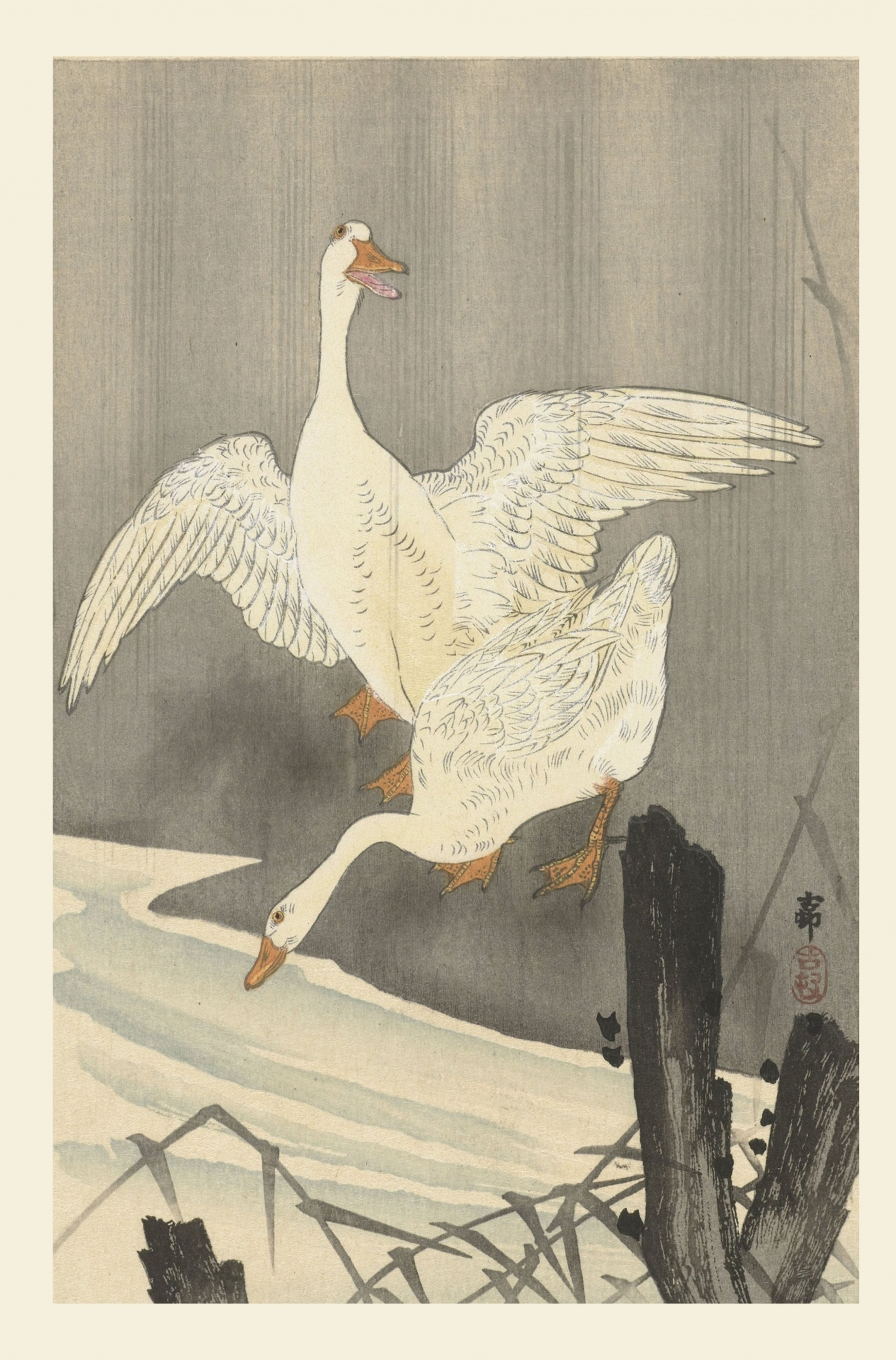
Wild Geese, by Mary Oliver
You do not have to be good.
You do not have to walk on your knees
for a hundred miles through the desert repenting.
You only have to let the soft animal of your body
love what it loves.
Tell me about despair, yours, and I will tell you mine.
Meanwhile the world goes on.
Meanwhile the sun and the clear pebbles of the rain
are moving across the landscapes,
over the prairies and the deep trees,
the mountains and the rivers.
Meanwhile the wild geese, high in the clean blue air,
are heading home again.
Whoever you are, no matter how lonely,
the world offers itself to your imagination,
calls to you like the wild geese, harsh and exciting -
over and over announcing your place
in the family of things.
It strikes me that increasingly in the world it is becoming harder – that there are more people who are not really critically aware of the forces that are shaping them. That’s what most people are feeling today – and that’s the goal. That’s what authoritarian regimes do. — Raoul Peck, director of Orwell: 2+2=5
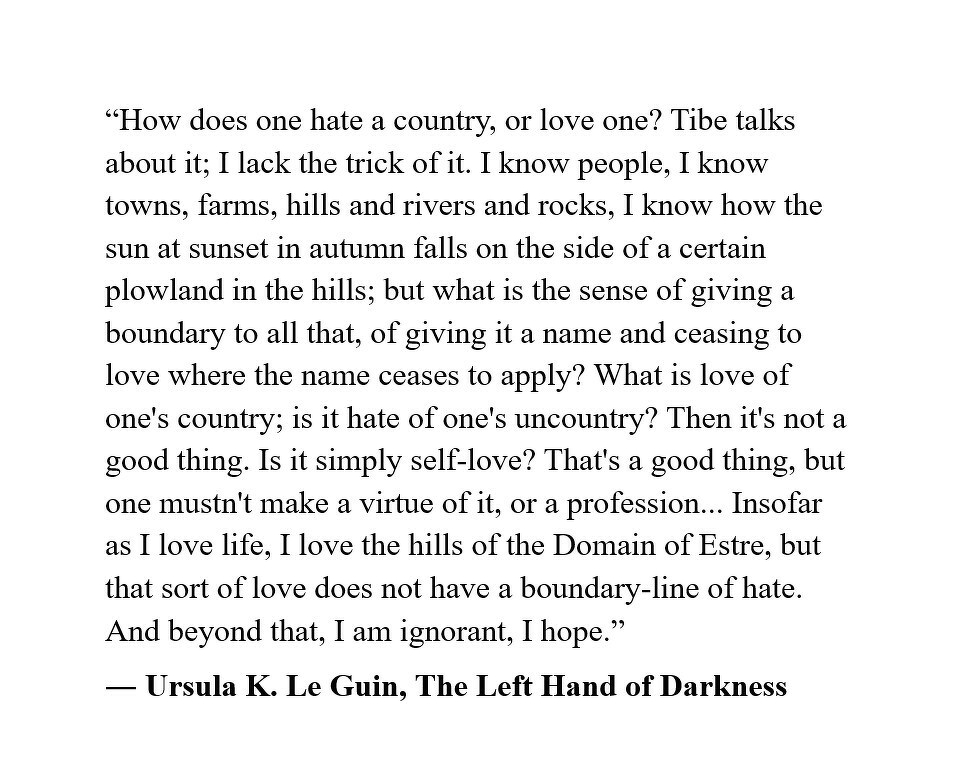
“We’ve arranged a global civilization in which most crucial elements profoundly depend on science and technology. We have also arranged things so that almost no one understands science and technology. This is a prescription for disaster. We might get away with it for a while, but sooner or later this combustible mixture of ignorance and power is going to blow up in our faces.”
— Carl Sagan
Note: I’m reading The Demon-Haunted World: Science as a Candle in the Dark, and I’m futzing with the blockquote css on this website so wanted a test quote to experiment with on main.
“I have a foreboding of an America in my children’s or grandchildren’s time — when the United States is a service and information economy; when nearly all the manufacturing industries have slipped away to other countries; when awesome technological powers are in the hands of a very few, and no one representing the public interest can even grasp the issues; when the people have lost the ability to set their own agendas or knowledgeably question those in authority; when, clutching our crystals and nervously consulting our horoscopes, our critical faculties in decline, unable to distinguish between what feels good and what’s true, we slide, almost without noticing, back into superstition and darkness…” — Carl Sagan, The Demon-Haunted World: Science as a Candle in the Dark (1995)
It sounds eerily familiar. He was 62 when he wrote it, dying from myelodysplasia, having had spent a life popularising science through the Cosmos TV series and books like ‘Pale Blue Dot.’ He wasn’t afraid of death, but of what was happening to America. He never saw smartphones, the rise of social media, Q Anon, COVID conspiracy theories, or AI slop. But he saw enough.